



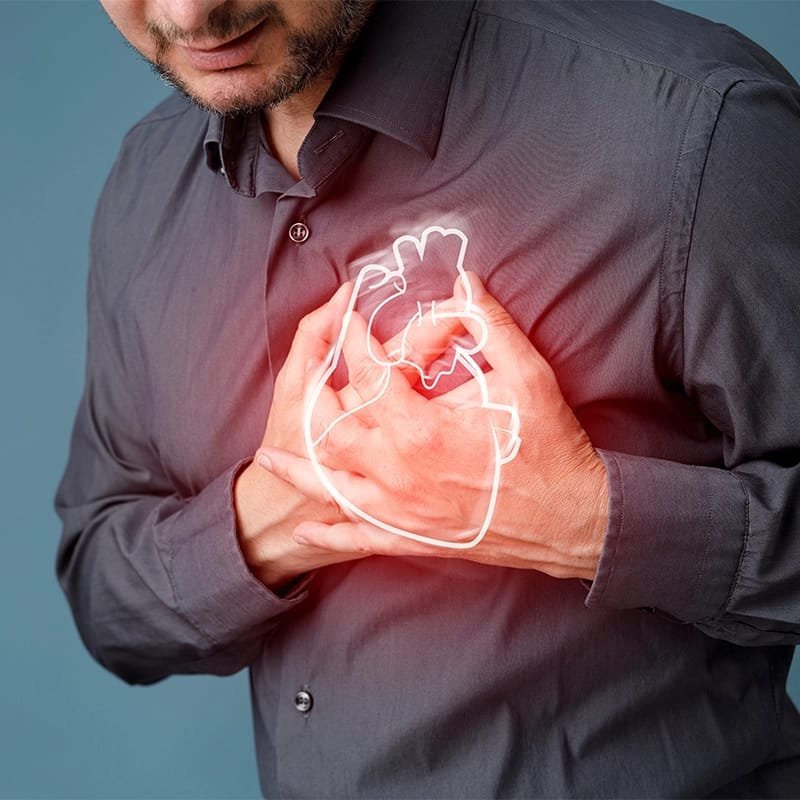
Heart attacks, long viewed as a disease of older age, are increasingly striking and killing people in their 20s, 30s and 40s, and new research suggests the problem is getting worse.
A study in the Journal of the American Heart Association, drawing on almost one million U.S. hospitalizations between 2011 and 2022, found deaths after a first severe heart attack rose significantly among men and women aged 18 to 54. One summary of the findings put the increase in deaths at 57 percent over that period, with women faring worse than men (3.1 percent mortality versus 2.6 percent).
The trend builds on earlier findings. A widely cited study presented to the American College of Cardiology found that the proportion of heart attacks among people 40 or younger rose about 2 percent a year over the last decade of a 2000 to 2016 study period, even as heart attacks fell overall in the U.S. Today, roughly one in five heart attacks occurs in people under 40.
What’s behind it
Doctors point to a mix of causes. A Northwestern Medicine cardiologist links the rise to the growing twin epidemics of diabetes and obesity. Traditional risk factors such as diabetes, high blood pressure and smoking were similar in patients under 40 and those aged 41 to 50, though the youngest patients were more likely to report substance abuse. Illinois doctors also flag vaping, which has grown significantly among younger adults even as cigarette smoking has fallen. Poor diet and inactivity are also cited, and symptoms in younger patients may be missed or mistaken for other conditions.
The damage isn’t limited to heart attacks. One Illinois cardiologist says the biggest rise in young people is actually in heart failure, which he traces to the strain obesity places on the heart.
Why it matters
Youth offers little protection once a heart attack has happened. Despite being about 10 years younger than patients in their 40s, the youngest survivors face the same rate of adverse outcomes, including death from another heart attack or stroke.
Experts urge younger adults to get blood pressure, cholesterol and blood sugar checked early, know their family history, and take chest pain or unusual breathlessness seriously, whatever their age.